
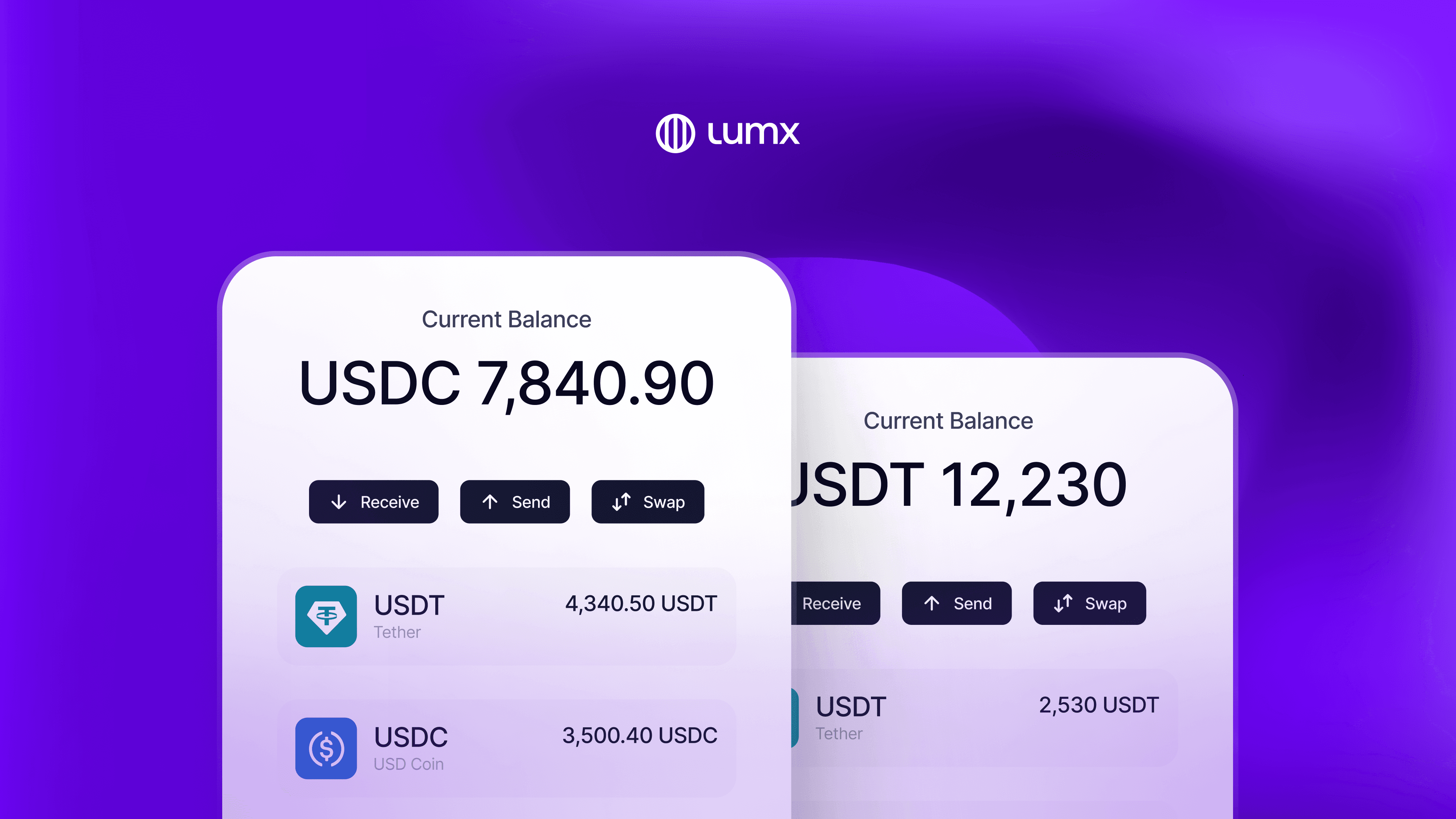
Stablecoins are a class of crypto-assets designed to offer price stability by being backed by reserve assets, such as fiat currencies (dollar, euro, real) or commodities (gold). Unlike other cryptocurrencies like Bitcoin, whose value can fluctuate significantly over short periods, stablecoins were created to reduce volatility, facilitating their use in daily transactions and broader financial applications.
In Brazil, the use of stablecoins has grown exponentially. In 2024, crypto-asset imports, including stablecoins, increased by 60.7% through September, surpassing the total for the previous year. This growth reflects the rising adoption of digital assets in the country, with stablecoins playing a central role in financial transactions.
How do they work?
Stablecoins operate through specific mechanisms to ensure their stability:
Fiat-backed stablecoins: Some, like USDC, have equivalent reserves in fiat currency, meaning that for each stablecoin issued, there is a corresponding value in cash stored in banks or secure assets.
Crypto-backed stablecoins: Others are backed by a pool of crypto-assets, with reserves greater than the issued value to mitigate volatility.
Algorithmic stability: Certain stablecoins use algorithms to automatically adjust the supply of coins based on demand, keeping the price stable.
What are the main types of Stablecoins?
Fiat-backed Stablecoins: Pegged to fiat currencies like USD, EUR, or BRL. Examples: USDC and Tether (USDT).
Crypto-backed Stablecoins: Backed by crypto-assets like Ether (ETH). Example: DAI.
Algorithmic Stablecoins: Rely on algorithms and smart contracts to balance supply and demand.
Commodity-backed Stablecoins: Pegged to physical assets like gold or oil.
Why are Stablecoins Important?
Stablecoins play a critical role in the evolution of both the digital and traditional financial markets:
Facilitate international transactions: Enable fast, low-cost cross-border remittances.
Bridge traditional and digital financial systems: Help financial institutions adopt blockchain technology.
Act as a hedge against volatility: Provide security for users who want to hold cryptocurrency assets without price fluctuations.
In Brazil, stablecoins have been widely adopted to facilitate international remittances and commercial transactions. In 2024, nearly 70% of crypto-asset transactions in the country involved stablecoins, highlighting their relevance as a practical and efficient solution for financial transfers.
Key Considerations for Secure Stablecoin Adoption
While stablecoins offer stability and efficiency to the financial market, some important points should be considered to ensure their safe and effective adoption:
Evolving regulation: In Brazil, the Central Bank is working on specific guidelines for stablecoins, creating a safer environment for their use. This initiative aligns with the growing local market, which has attracted global attention.
Transparency of reserves: Many stablecoins undergo regular audits to demonstrate the soundness of their reserves. Checking this transparency is essential for maintaining user and institutional trust.
Governance models: Stablecoins vary in their approach to centralization. In Brazil, they are seen as an effective bridge to enhance financial and digital inclusion in the country.
What are stablecoins and how do they maintain price stability?
Stablecoins are a class of crypto-assets designed to offer price stability by being backed by reserve assets such as fiat currencies (dollar, euro, real) or commodities (gold). Unlike cryptocurrencies like Bitcoin whose value can fluctuate significantly, stablecoins are engineered to maintain a consistent value, typically pegged 1:1 to a reference currency, making them practical for everyday transactions and broader financial applications.
What are the different types of stablecoins?
There are three main types of stablecoins: fiat-backed stablecoins like USDC that hold equivalent reserves in cash or secure assets for each token issued; crypto-backed stablecoins that are secured by a pool of crypto-assets with reserves greater than the issued value to mitigate volatility; and algorithmic stablecoins that use smart contracts and supply-demand mechanisms to maintain their peg without traditional collateral.
Why has stablecoin usage grown so rapidly in Brazil?
Stablecoin usage in Brazil has grown exponentially, with crypto-asset imports including stablecoins increasing by 60.7% through September 2024, surpassing the total for the previous year. This growth is driven by demand for dollar-denominated digital assets as a hedge against currency volatility, the need for cheaper international transfers, and increasing integration with Brazil's advanced payment infrastructure like Pix.
How are stablecoins different from traditional cryptocurrencies like Bitcoin?
The key difference is stability: while Bitcoin and other cryptocurrencies can experience significant price swings of 10% or more in a single day, stablecoins are designed to maintain a consistent value pegged to a reference asset like the US dollar. This stability makes stablecoins practical for payments, savings, and business transactions, while Bitcoin is more commonly used as an investment or store of value with higher risk and potential reward.


